
Am Balla
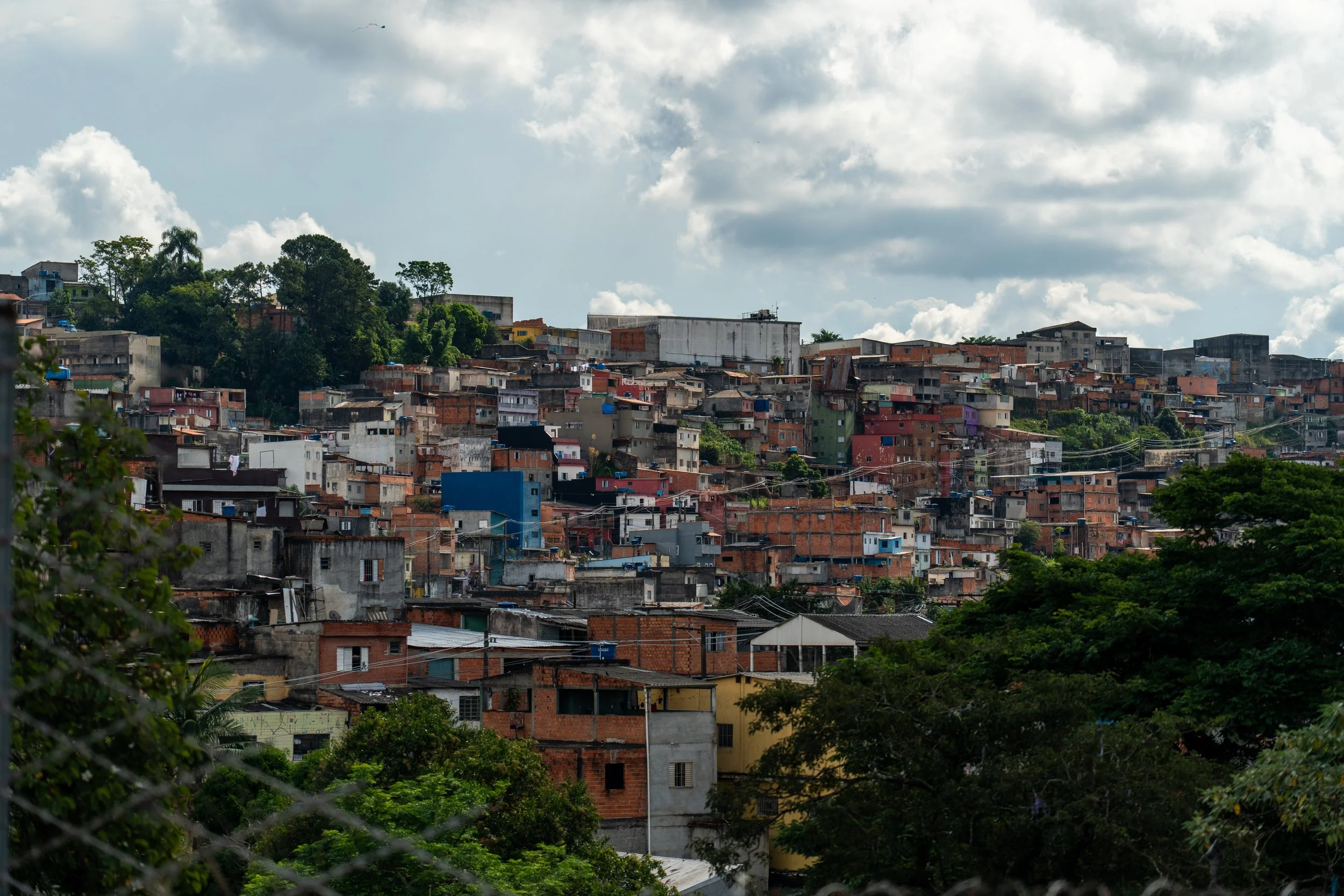
/Throughout this year and much of the last, I was occupied by work on a four-part series masterminded by Welsh broadcast titans, Rondo Media. Shot across no less than four continents, Am Balla was a co-production between three Celtic nations examining borders and walls. Some walls were figurative, like the gaping wealth gap which exists between the richest inhabitants of São Paulo and those who live in its favelas. Others much less so, with the heavily surveilled border between Russia and Finland presenting a clear and intimidating target for filming.
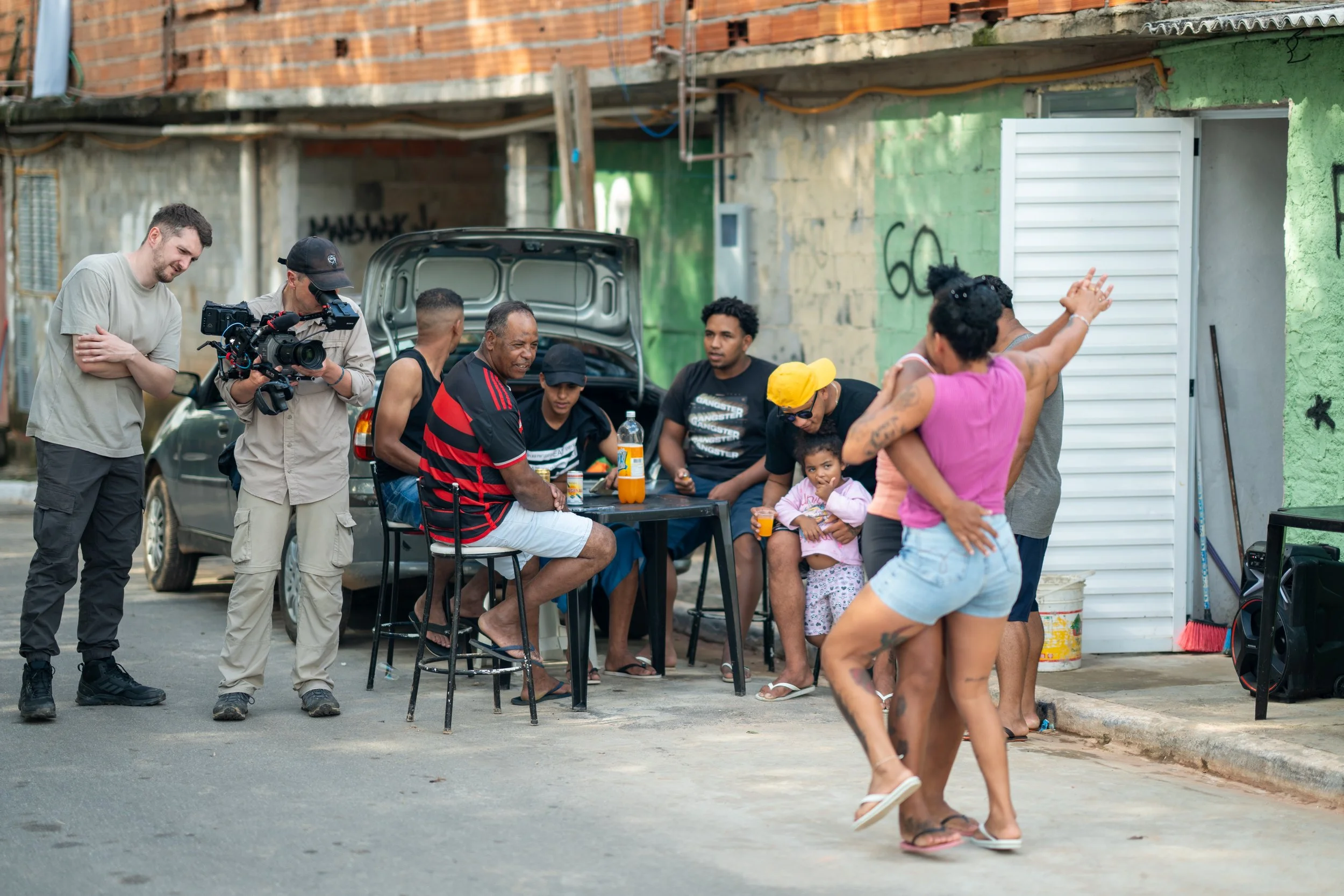
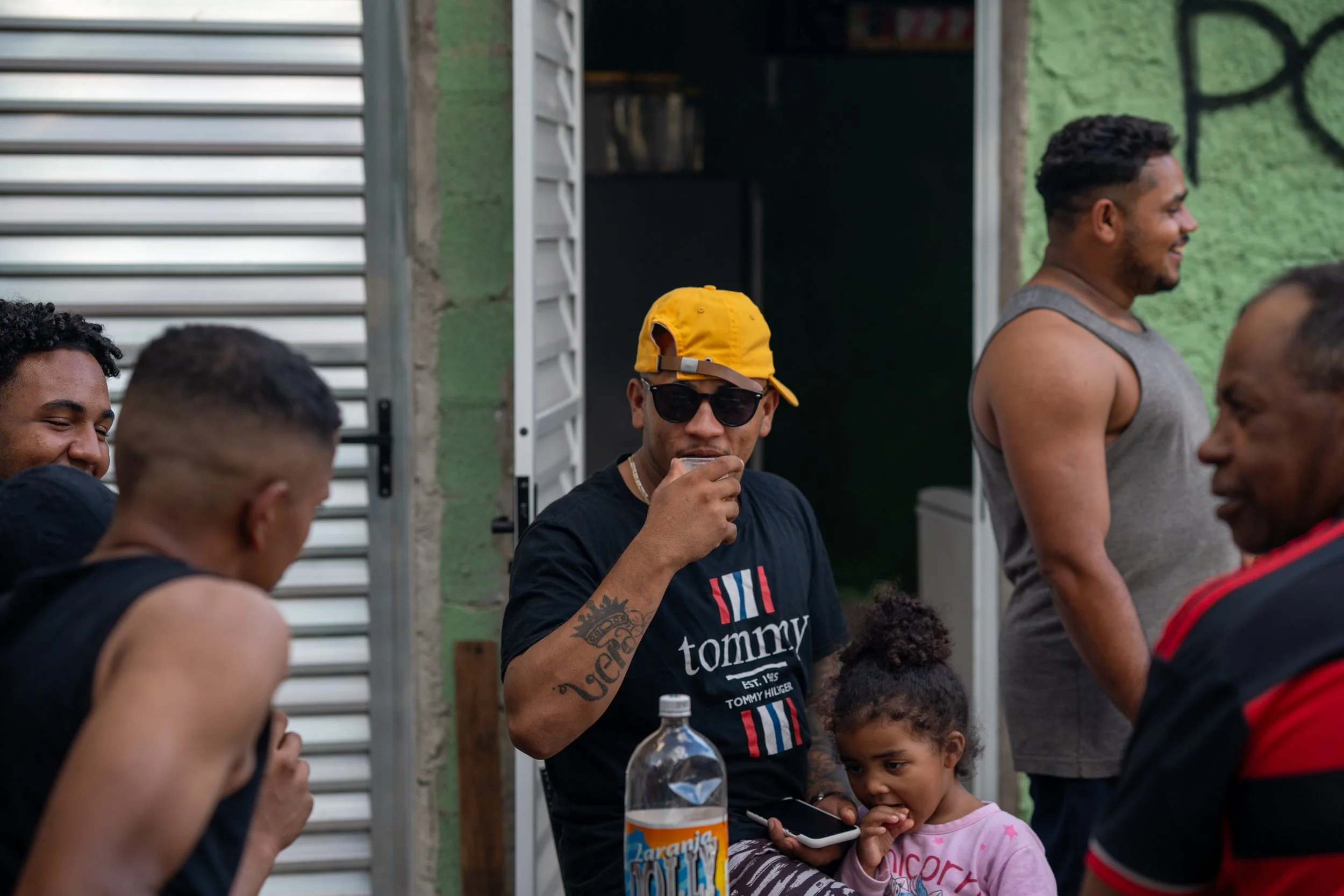
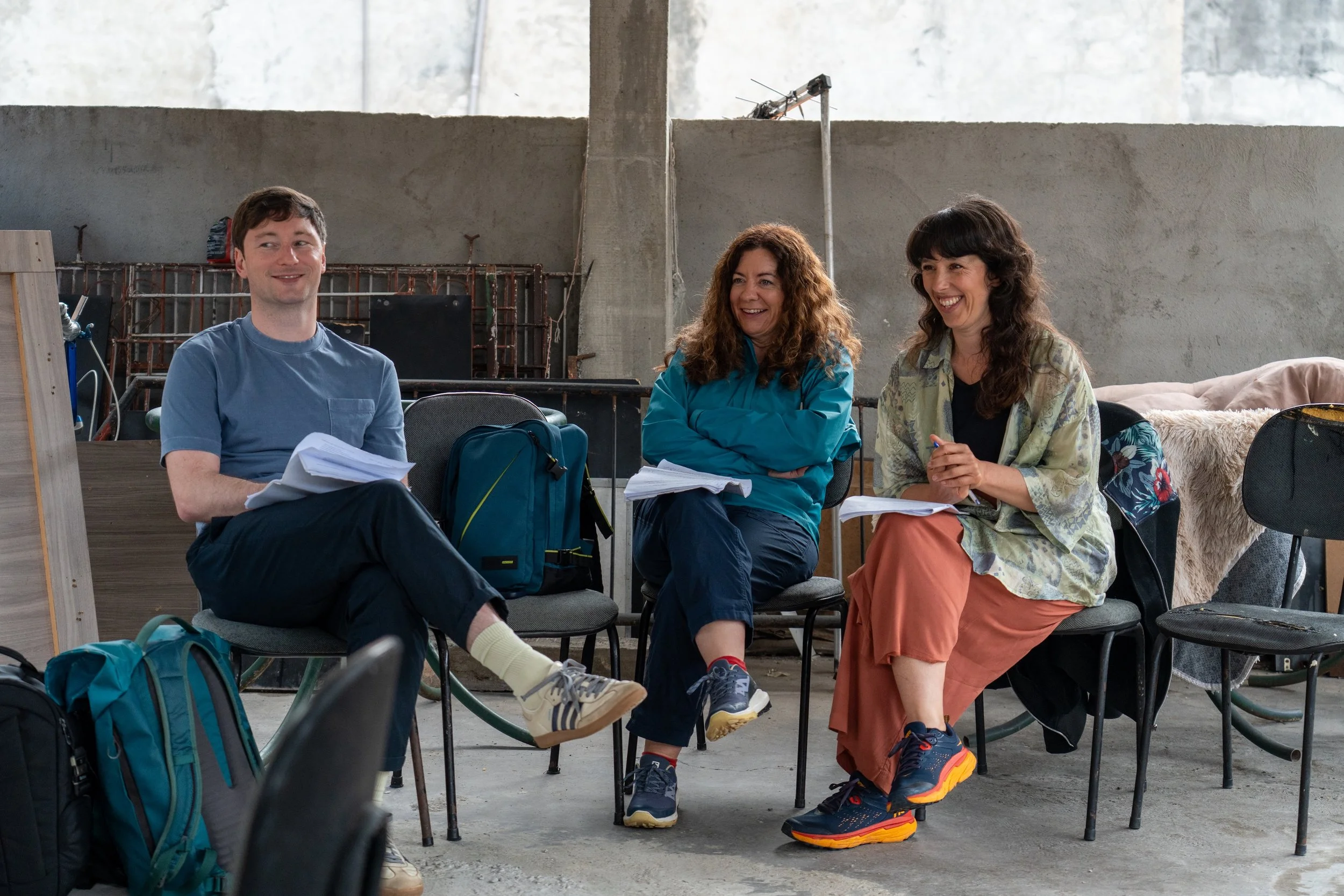
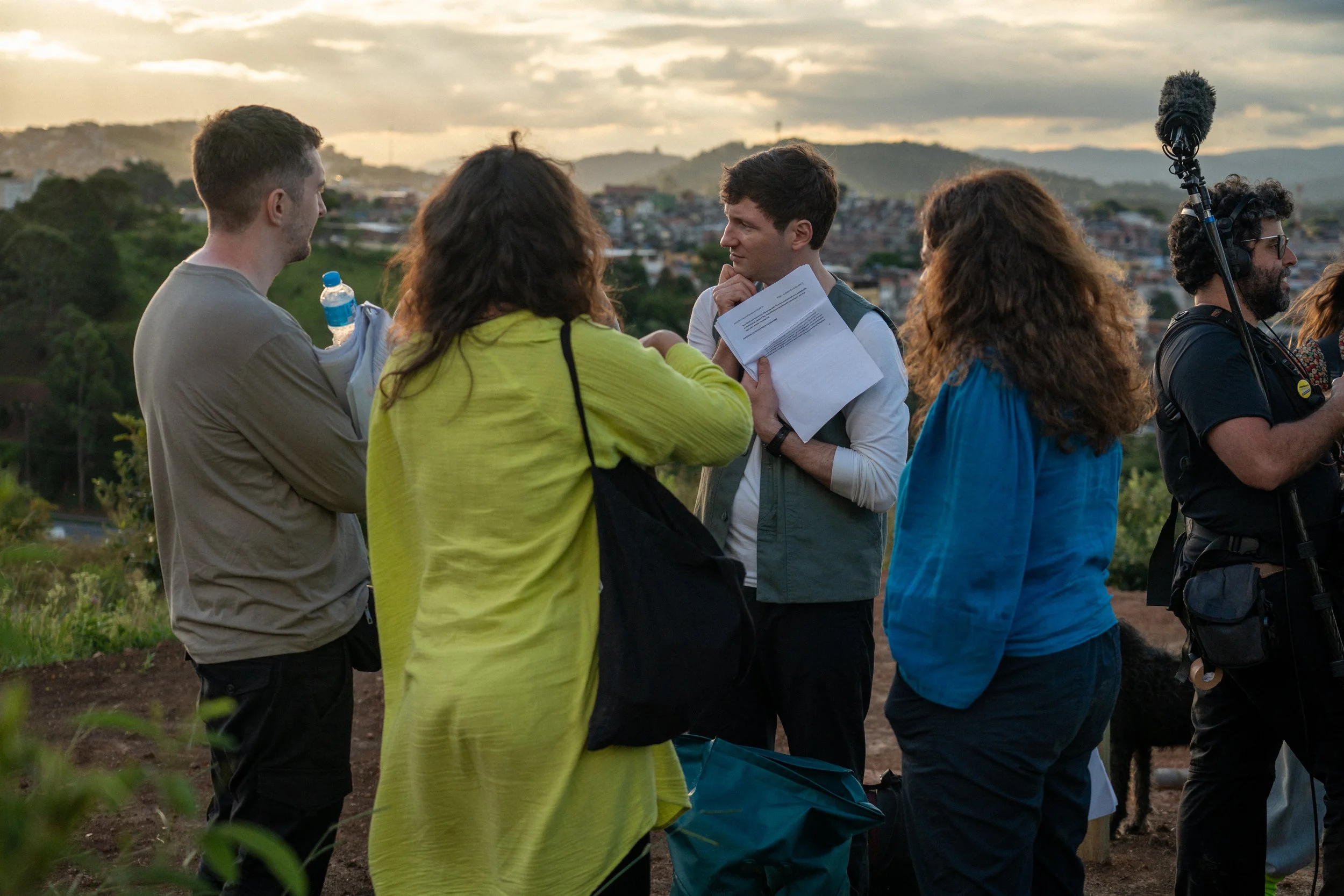
filming residents of são paulo’s jardim ângela favela. series dop, haydn denman, shoots while director of the brazil episode, mike williams, observes.
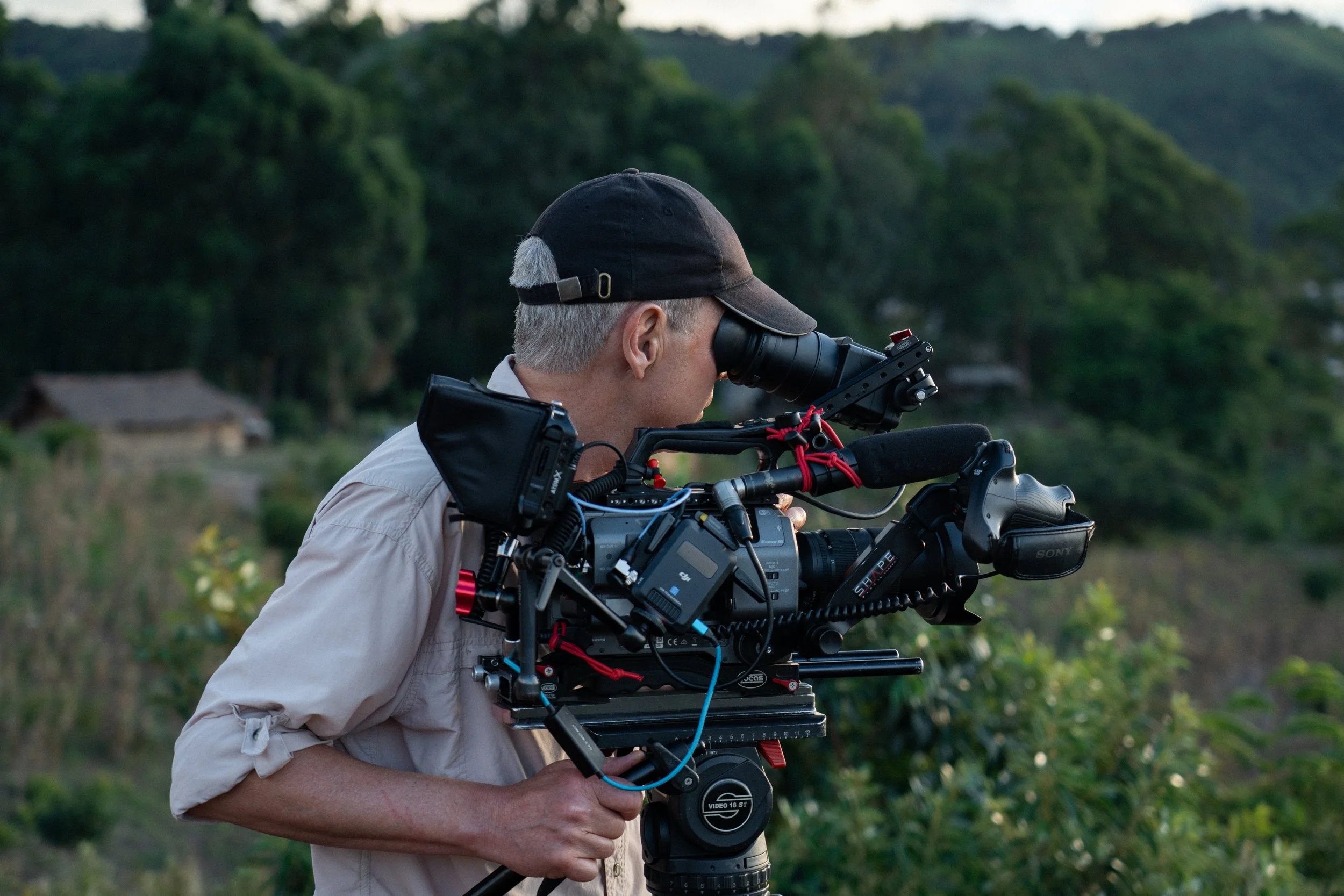
The series was recorded in three different Celtic languages on location, with Lisa, Ramsay and Síle presenting the Welsh, Gaelic and Irish versions, respectively. The presenters all approached and dissected the subject matter in their own unique fashion and each version of the programme is effective as the next. My primary roles on location were to support Ramsay in his delivery of the Gaelic language version and to operate second camera while Haydn Denman acted as DOP. Later, I would edit produce the Gaelic version of the programme.
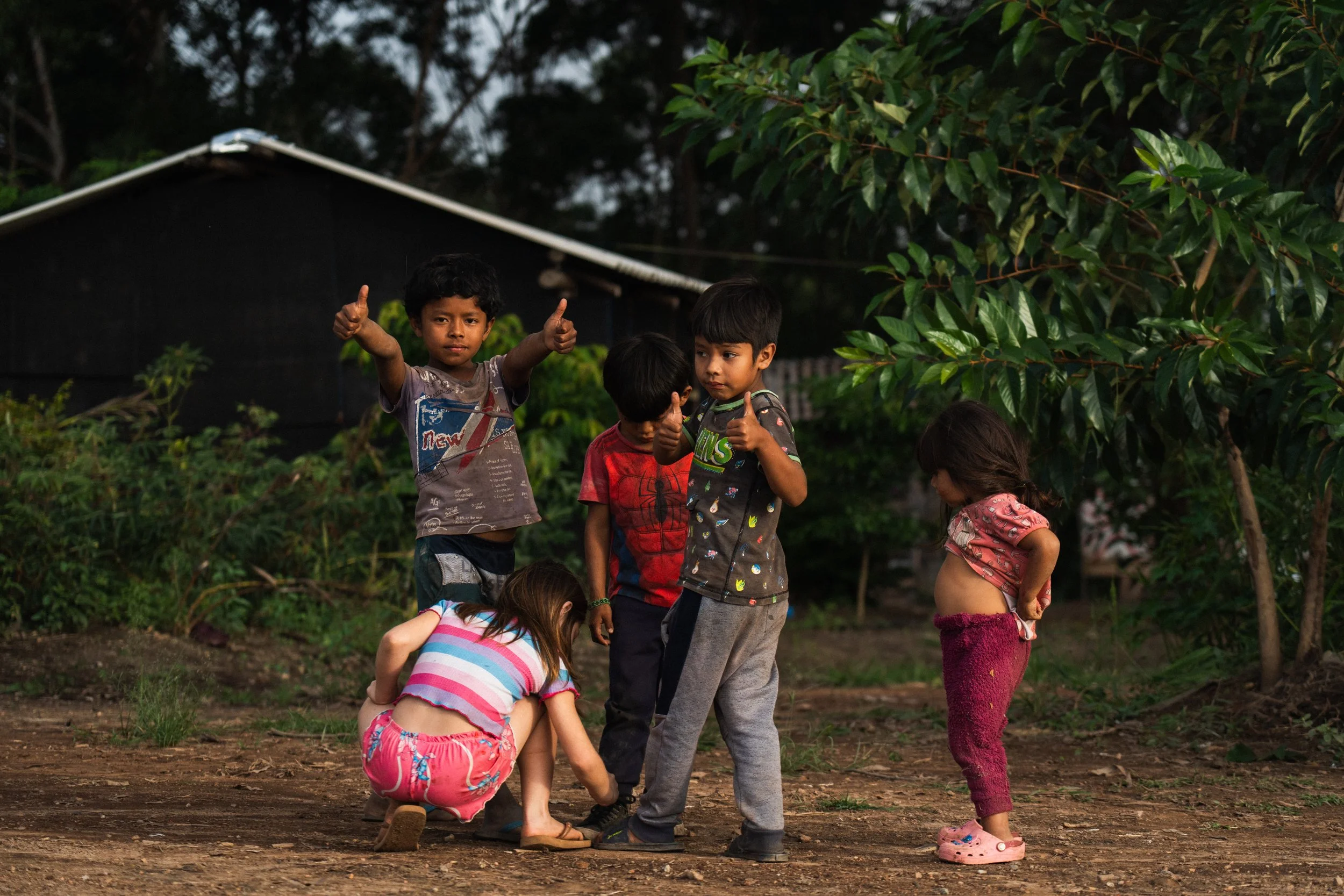
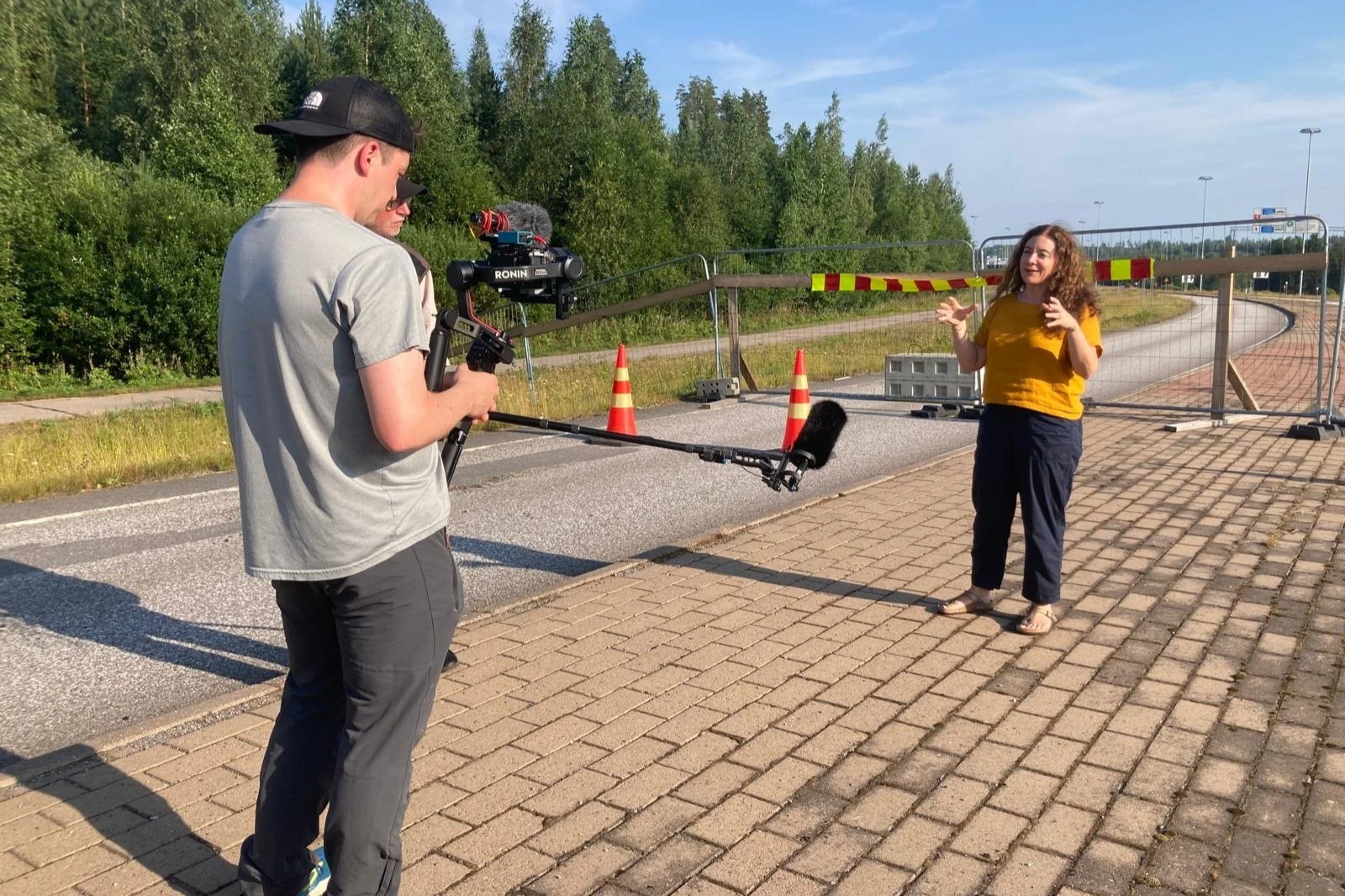
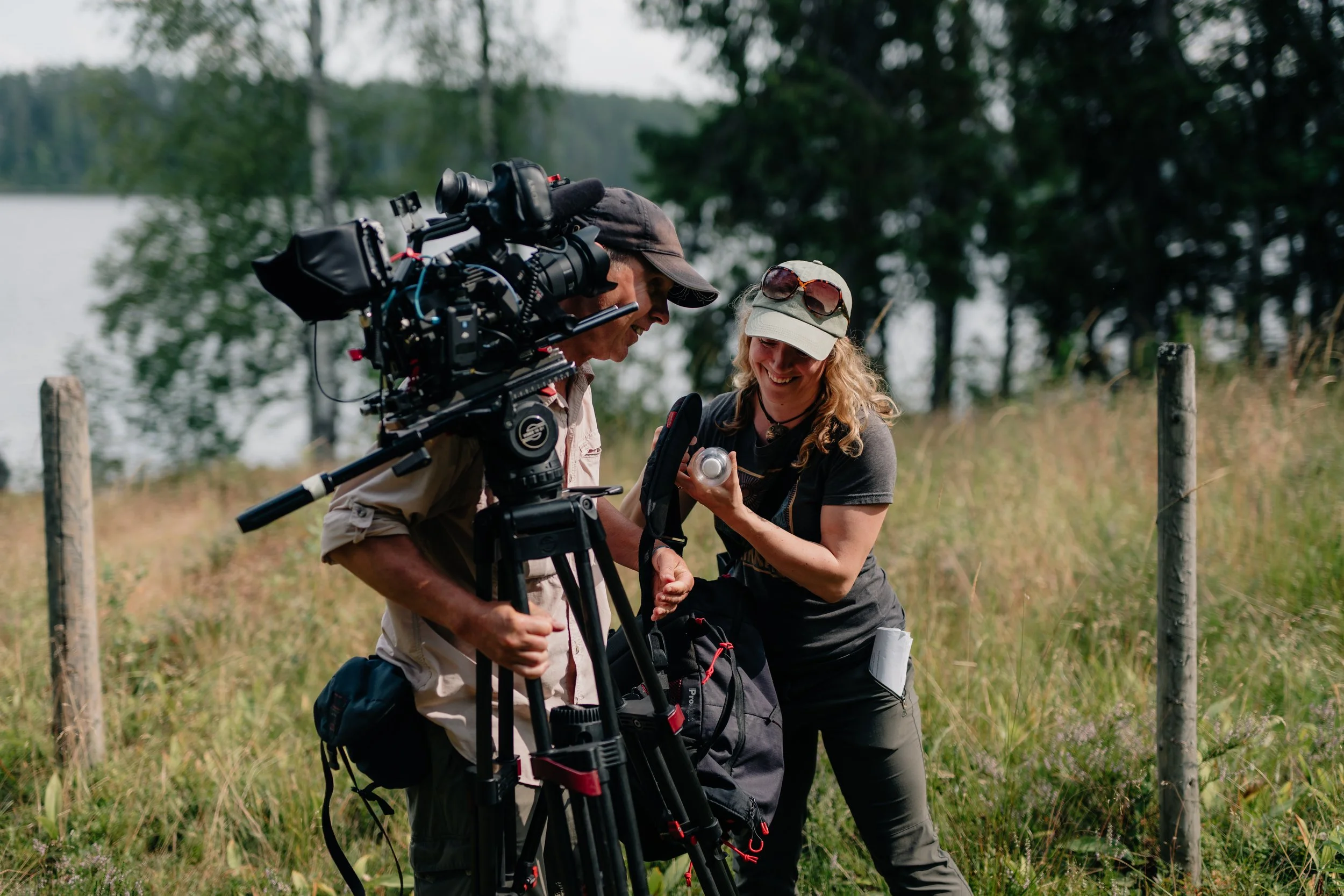
The first filming block took place in the busy and vibrant favelas of São Paulo. While the crime which is thought to characterise these areas is well documented, we saw little of it when we were there and my impression was of a place where people deprived of the luxury of isolation had formed strong community bonds. On the next trip, undertaken a few months later, the crew visited Finland to document increased tensions along the border with Russia. The Finns we worked and filmed with were a measured bunch who all seemed fairly sanguine about living next door to one of the world’s largest and most volatile military powers.
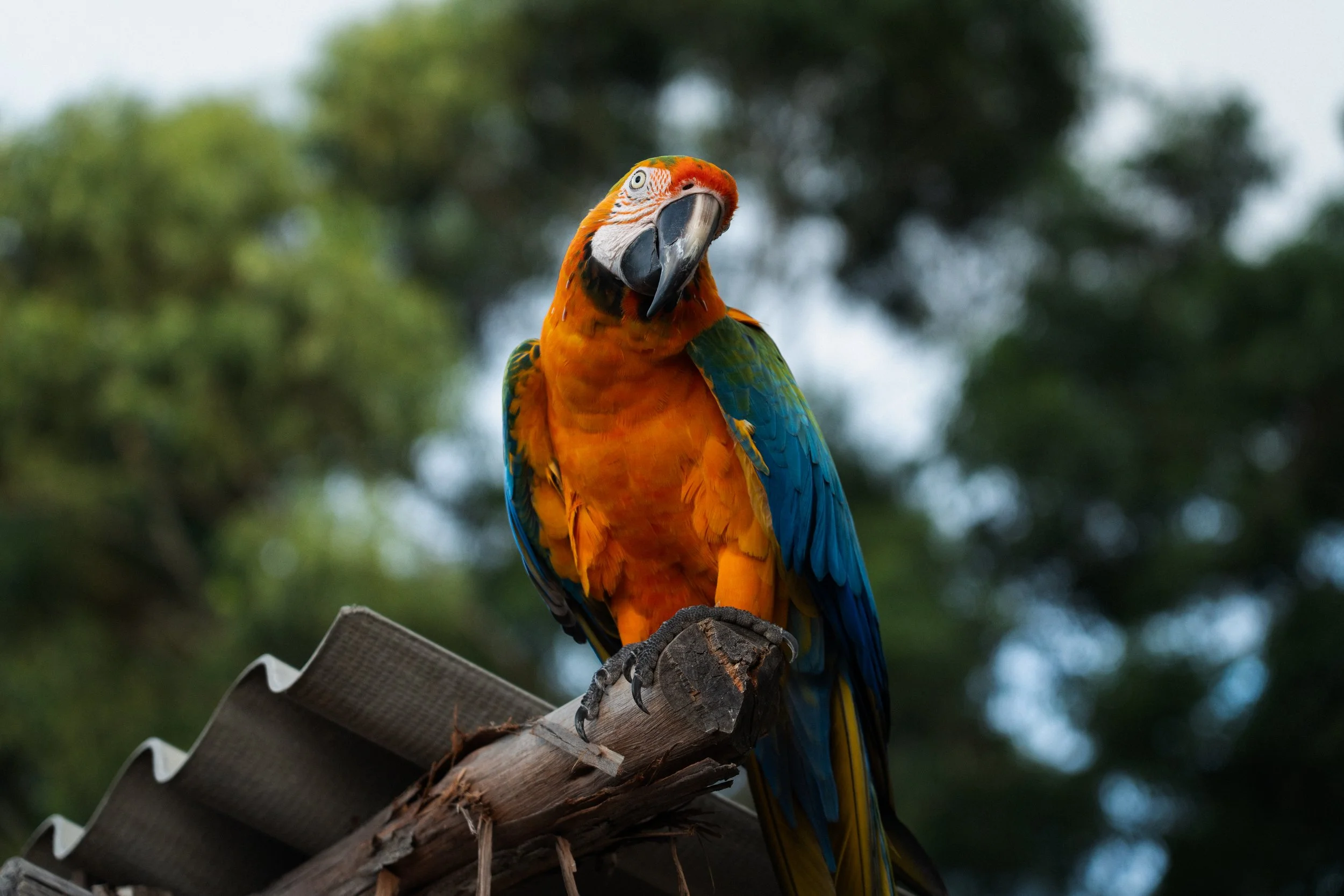
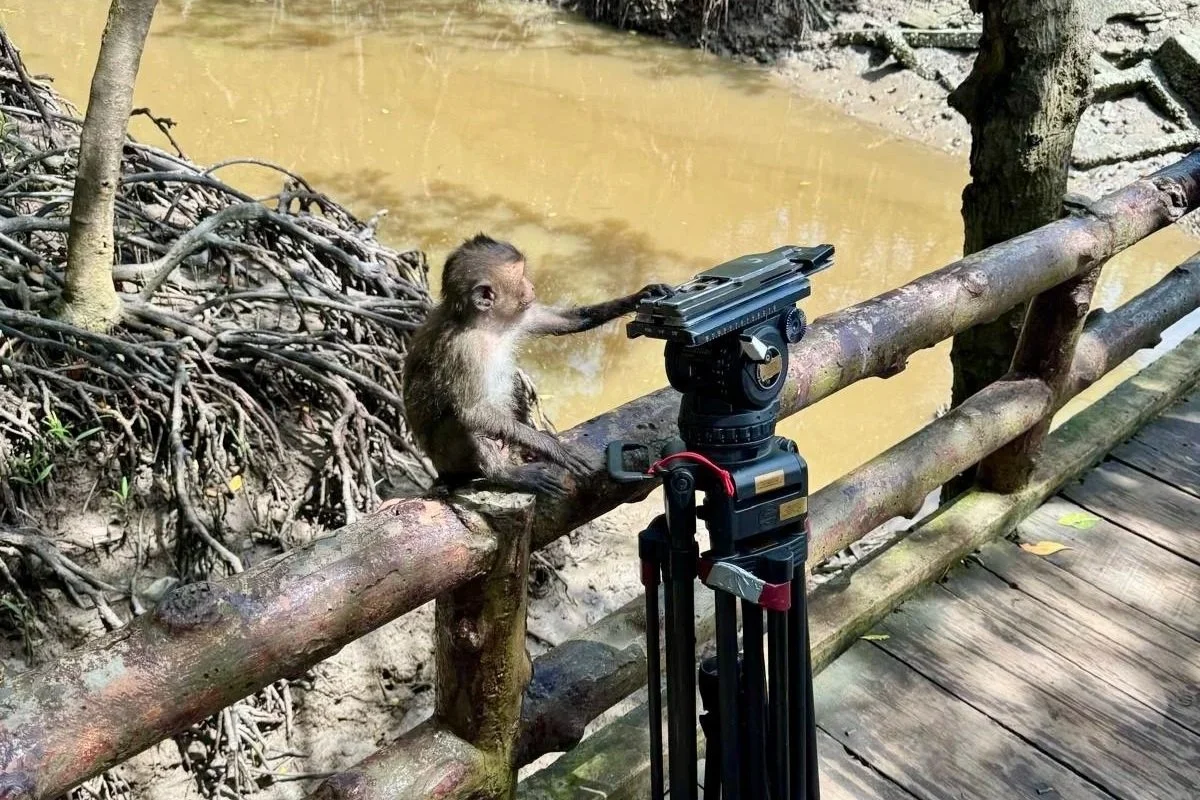
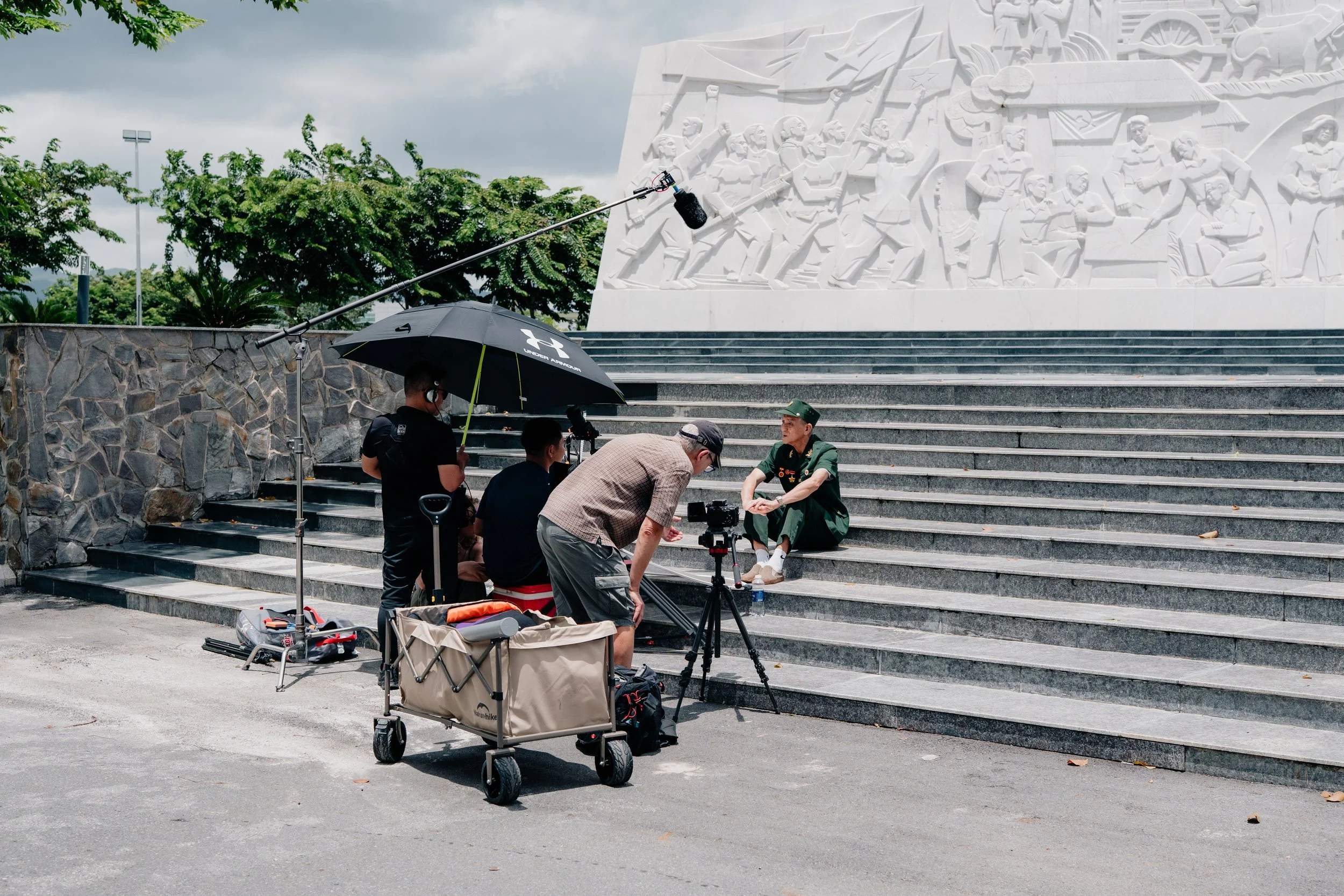
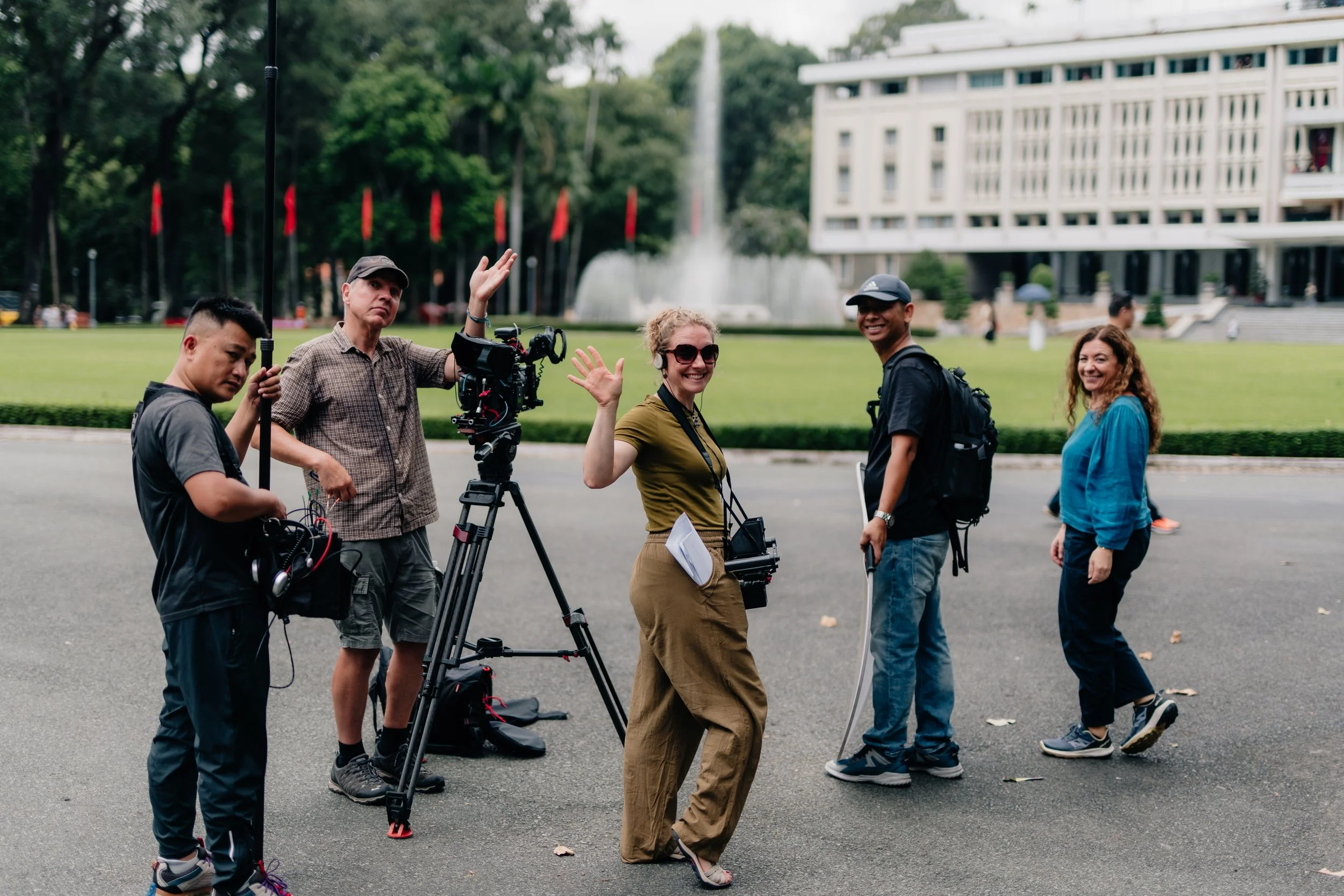
A few weeks after returning from Finland, we shot a further episode in Vietnam. At every turn we were met with vibrant colours, bustle and a striking juxtaposition between contemporary and communist Vietnam. Challenging filming days abounded though were interspersed with lighter moments, such as trying to defend camera equipment from thieving monkeys and getting to film from the back of a moped as it hammered through the streets of Saigon.
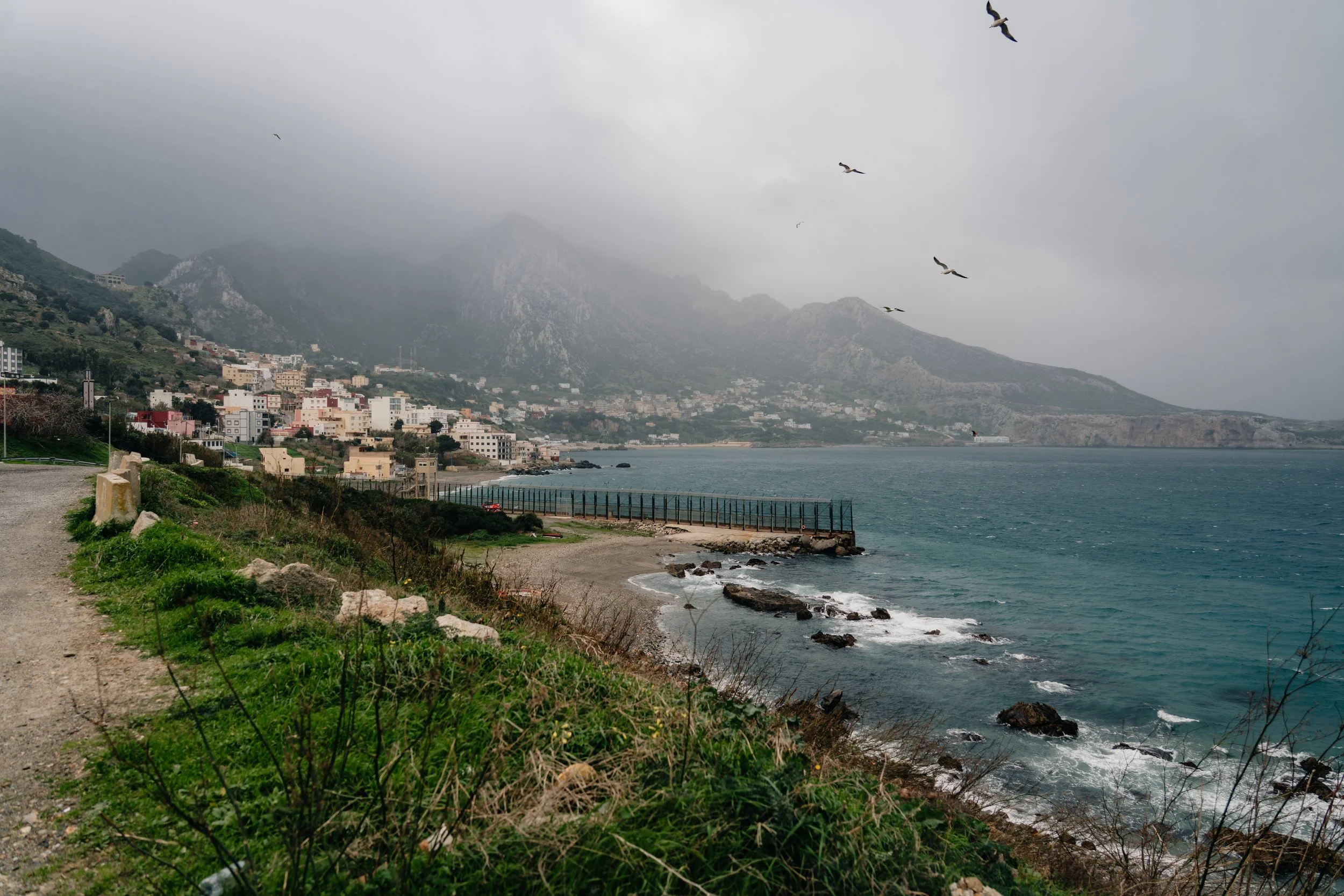
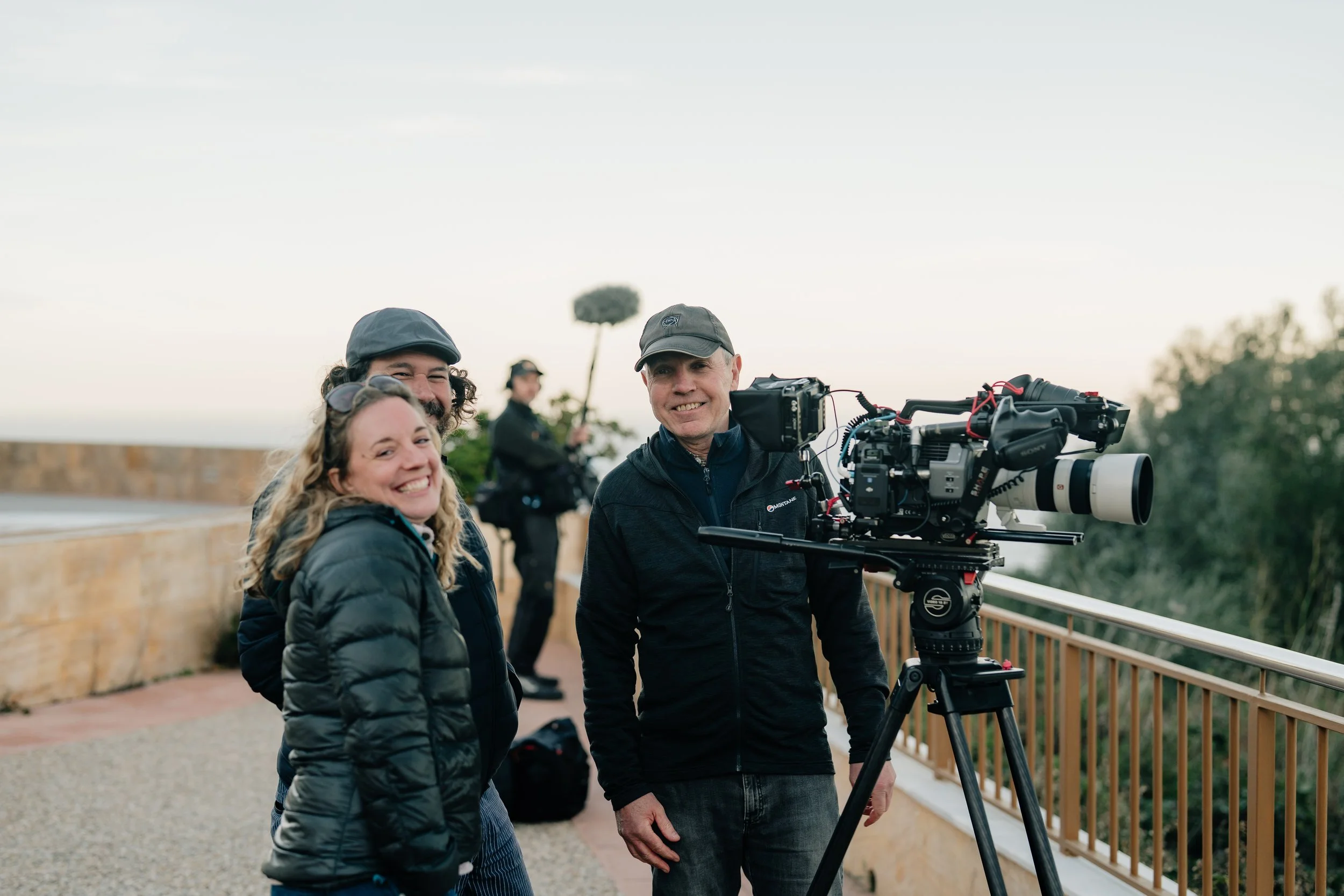
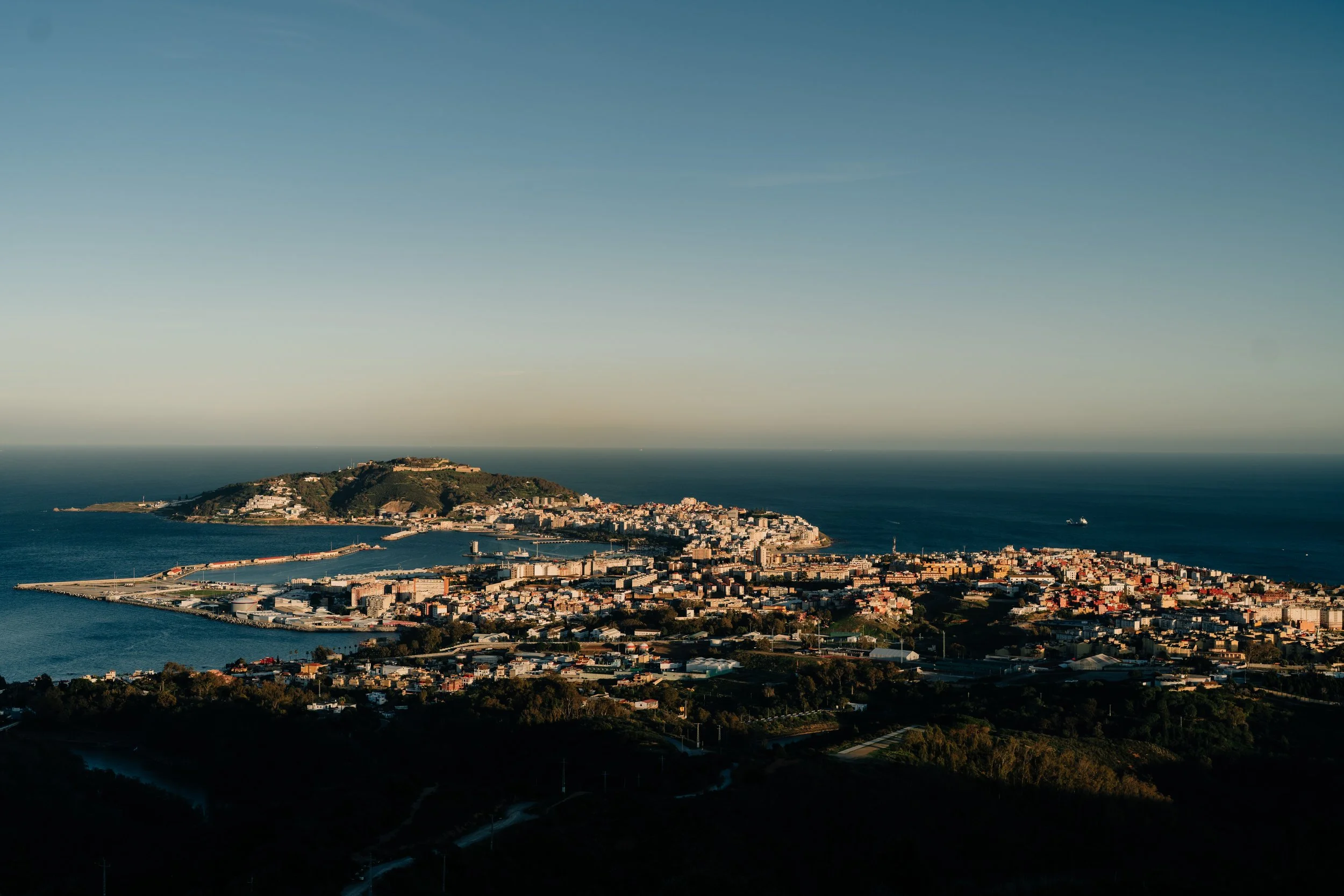
The final filming block took place in Ceuta, an autonomous city of Spain on the North African coast. Having never heard of Ceuta previously, much less travelled there, I found the trip eye-opening. The city acts as a crossing point into Europe for many migrants, with most coming from Morocco, Algeria and sub-Saharan Africa. We were privileged to meet people who greeted us with kindness and generosity, despite the hard trials they had endured to reach the threshold of Europe.
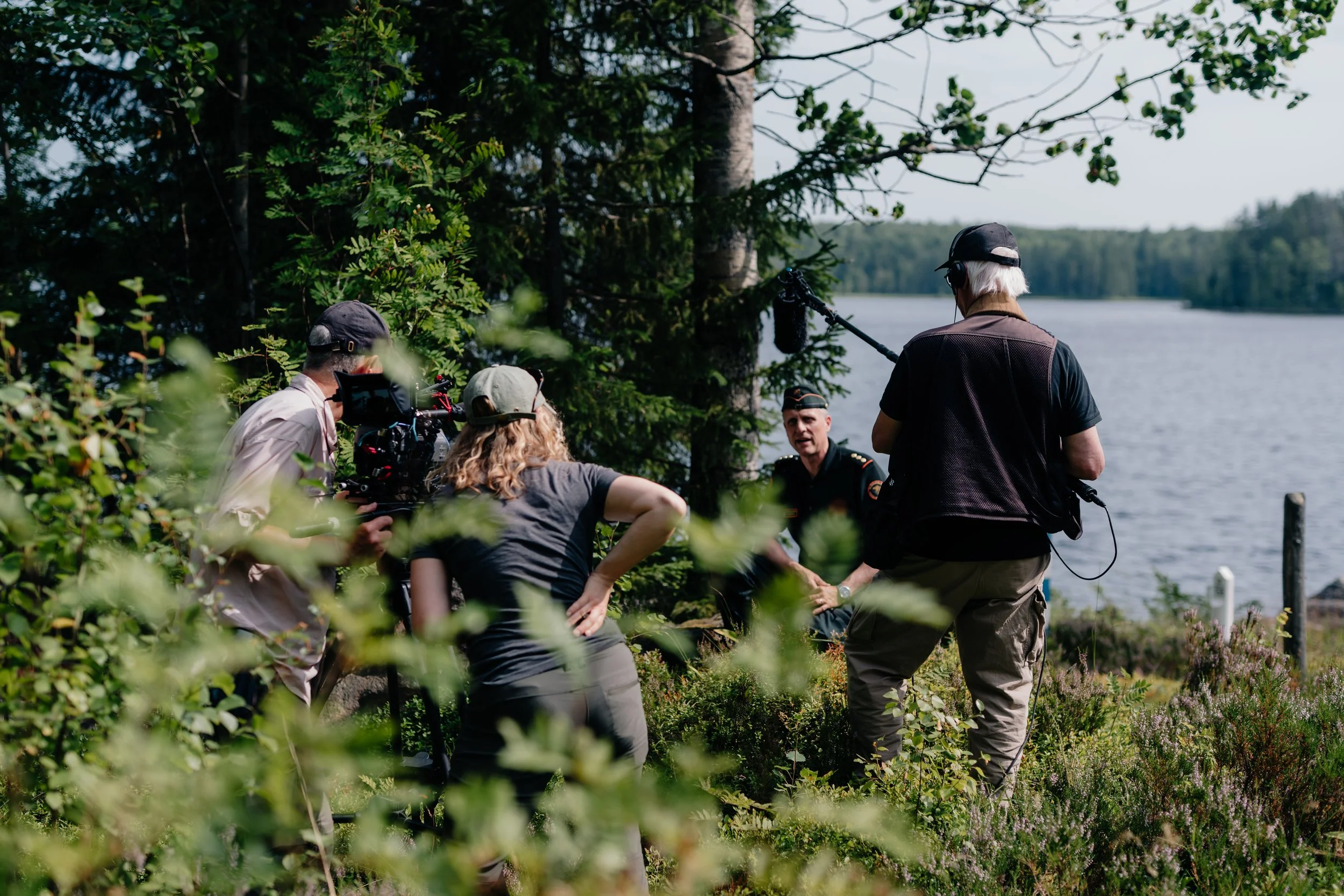
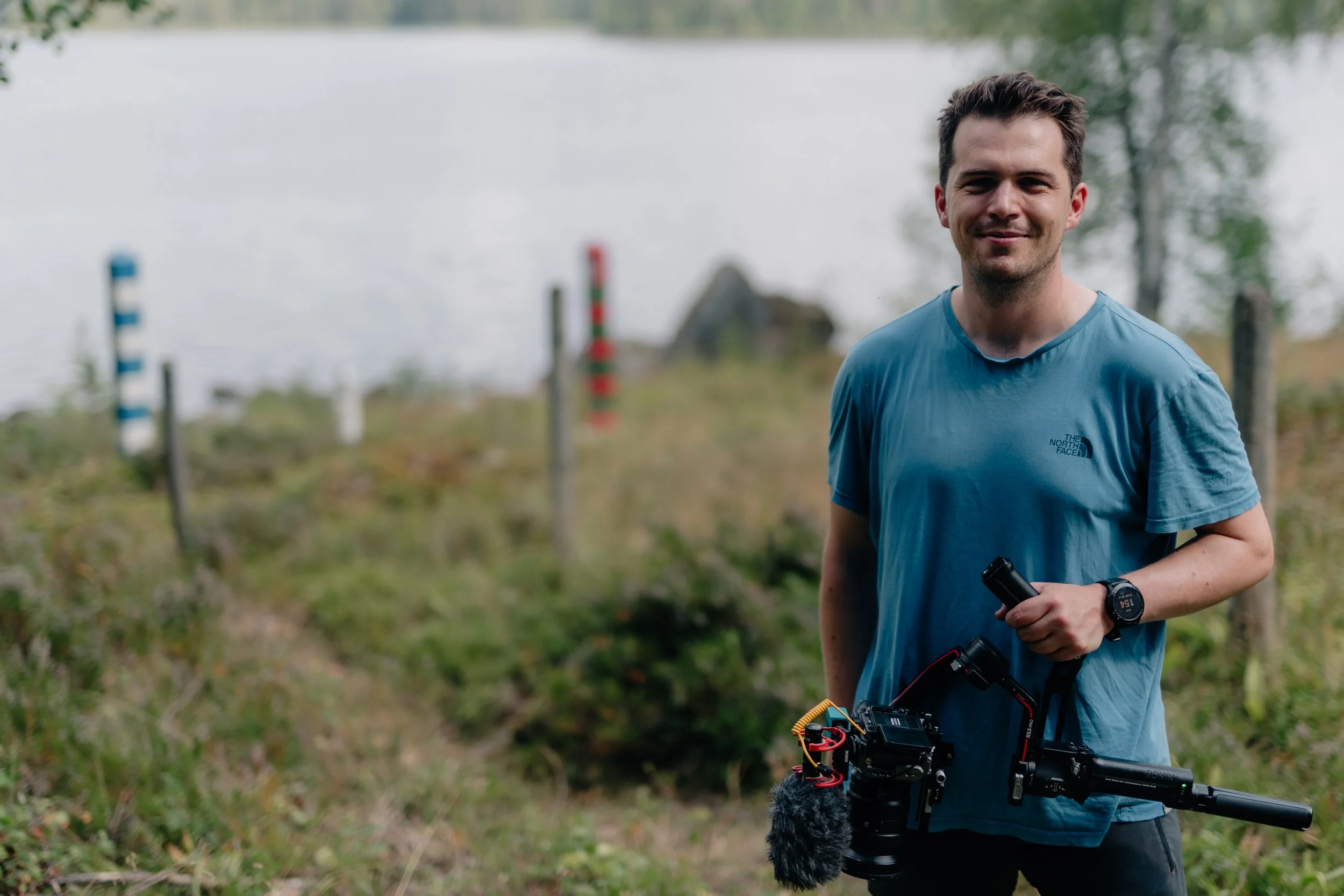
Filming an interview metres from the finnish border with russia
Working on the series provided an amazing glimpse into cultures from all over the world, some of which would have doubtless remained alien to me were it not for the shoot. A great privilege of travelling as part of a television production is that you’re parachuted straight into the heart of communities upon arrival and given opportunities to film with notable and extraordinary people. Fixers and contributors paint a picture of a place that is much more substantial than what the bus tour offers, providing insight that would be hard to gain as a tourist. Not only that, but someone else usually decides where to have lunch, removing the fundamental anxiety at the heart of all travel.
I’m grateful to Rondo and MG Alba for the chance to work on the series and will miss working alongside the inspiring crew, who responded to the challenges presented by operating in unfamiliar environments with great humour and relentless competence. Am Balla is available now on iPlayer.